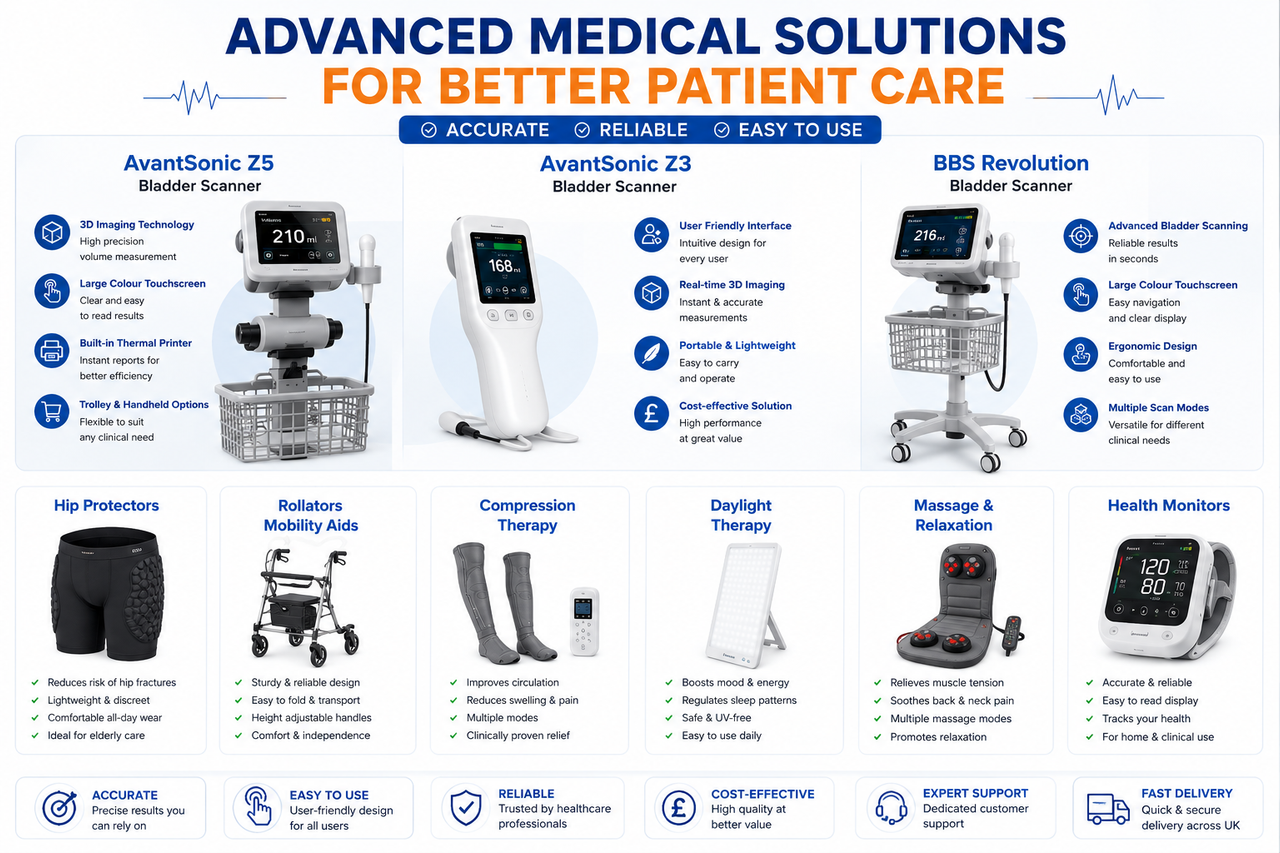
Managing urinary continence effectively is one of the most critical challenges in modern healthcare settings, from busy acute-care hospital wards to community nursing homes and home-health environments. At the heart of solving this challenge is the bladder scanner—a non-invasive medical device designed to accurately measure urinary retention.
By allowing clinicians to see exactly what is happening inside the bladder without resorting to immediate, uncomfortable catheterization, these tools protect patients from infection while streamlining everyday clinical workflows.
Clinical Uses and Core Functions
A bladder scanner is a portable, non-invasive ultrasound device that reflects high-frequency sound waves off a patient's internal anatomy to calculate the volume of retained urine. Unlike diagnostic ultrasound systems that require an specialized sonographer to interpret fuzzy grayscale images, a dedicated bladder scanner features built-in computational algorithms. The device automatically detects the borders of the bladder wall and outputs a direct volume measurement in milliliters.
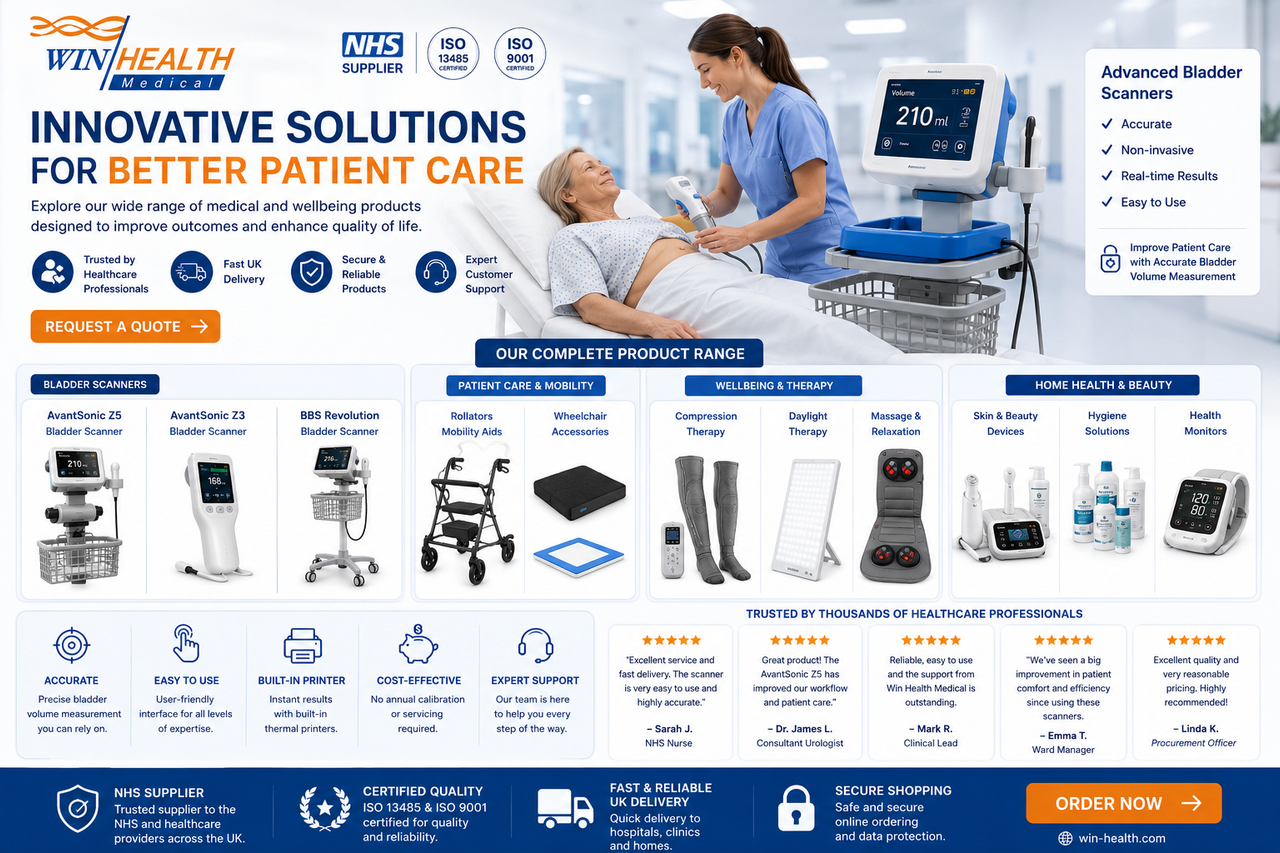
It is primarily used by urology professionals, continence nurse specialists, and general ward staff to diagnose, monitor, and treat several primary urinary conditions:
Post-Void Residual (PVR): Measuring how much urine remains in the bladder immediately after a patient attempts to empty it naturally. A high PVR can indicate underlying muscular or nerve issues.
Acute or Chronic Urinary Retention: Checking if a patient is completely unable to pass urine. This is highly common after surgery due to the lingering effects of anesthesia, or due to physical obstructions like an enlarged prostate.
Evaluation of Incontinence: Helping categorize the type of incontinence a patient is suffering from so that specialists can tailor an accurate treatment plan.
The Clinical Impact: Historically, checking internal bladder volume meant introducing a urinary catheter. Bladder scanners eliminate this painful step for the majority of patients. Clinical studies show that implementing routine bladder scanning reduces the risk of Catheter-Associated Urinary Tract Infections by up to 50 percent in acute care environments, lowering hospital stays and saving thousands in treatment costs.
Innovation in Continence Care: A Look at Modern Device Classes
Top-tier medical equipment suppliers like Win Health Medical provide specialized bladder scanners tailored for different clinical environments. Modern advancements focus on automation, wireless connectivity, and reducing maintenance overhead.
The industry currently relies on three major classes of devices to solve specific healthcare challenges:
1. Fully Automated Wireless Systems
Perfect for high-throughput clinical settings where quick turnaround times and strict infection control are paramount. These setups employ advanced multi-transducer arrays to capture an immediate three-dimensional volume.
Self-Targeting Systems: The software instantly locates the bladder within the scanning field, meaning the operator does not have to worry about manual aiming or perfect positioning.
Anatomy Recognition: Intelligent software distinguishes between male, female, and post-hysterectomy physiological structures to automatically adjust calculation algorithms for the highest accuracy.
Wireless Flexibility: A completely wireless probe communicates via secure Bluetooth or Wi-Fi to a dedicated display unit, allowing the clinician to move unimpeded Bladder Scanner around the patient's bedside and easily sanitize the equipment between uses.
2. Real-Time 3-D Scanners
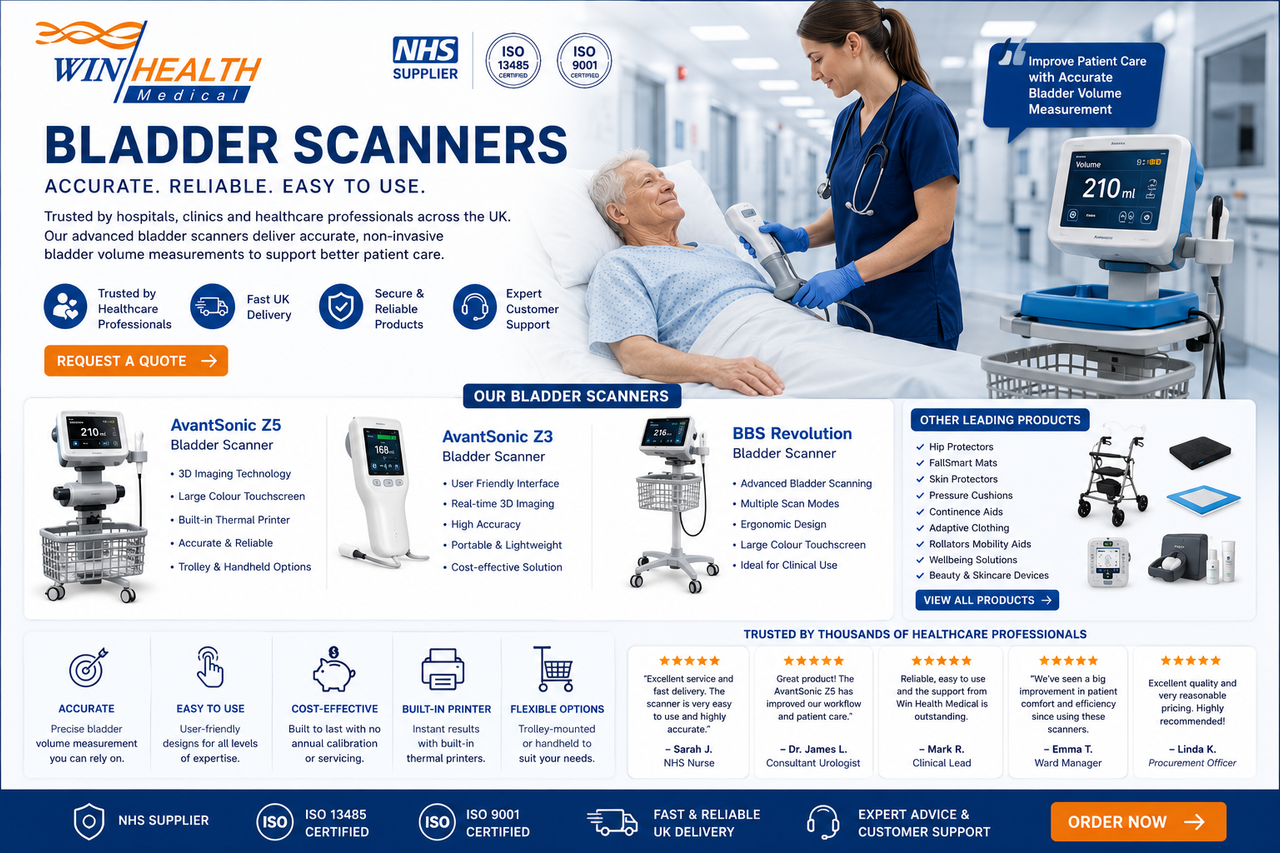
Designed to serve as heavy-duty workhorses in urology clinics, emergency rooms, and busy medical-surgical departments. These devices offer multiple operational modes, such as an expert mode for complex mapping and an easy mode for quick checks by nursing assistants.
Aiming Guidance: On-screen visual indicators assist the clinician in centering the probe directly over the target mass prior to scanning, significantly reducing operator mistakes.
Integrated Documentation: Features built-in thermal printers and crisp color touchscreens for instant documentation right at the point of care. Clinicians can print out the numerical results and the bladder silhouette to clip directly into a physical patient chart.
3. Portable Community Care Units
When care moves out of the hospital and into long-term residential facilities, rehabilitation centers, or home-health visits, device weight and ruggedness become critical.
Ultra-lightweight Form Factor: These portable scanners pack automated 3-D scanning technology into a compact, tablet-like or hand-held frame.
All-Day Battery Performance: High-capacity internal batteries make it possible to perform scans during consecutive home healthcare visits without searching for power outlets.
Key Features to Consider When Procuring Bladder Scanners
If you are looking to purchase medical equipment for a clinic, a private practice, or a larger hospital framework, prioritize features that keep your Total Cost of Ownership low while ensuring patient safety:
Calibration-Free Design: Traditional bladder scanners require expensive annual calibration checks by external technicians, which leads to machine downtime and ongoing service fees. Opting for modern, calibration-free models significantly lowers lifecycle maintenance costs.
High Precision Output: Top-tier equipment delivers an accuracy variance of roughly plus or minus 7.5 percent. Maintaining high scanning fidelity is vital to avoid diagnostic errors that prompt redundant invasive procedures.
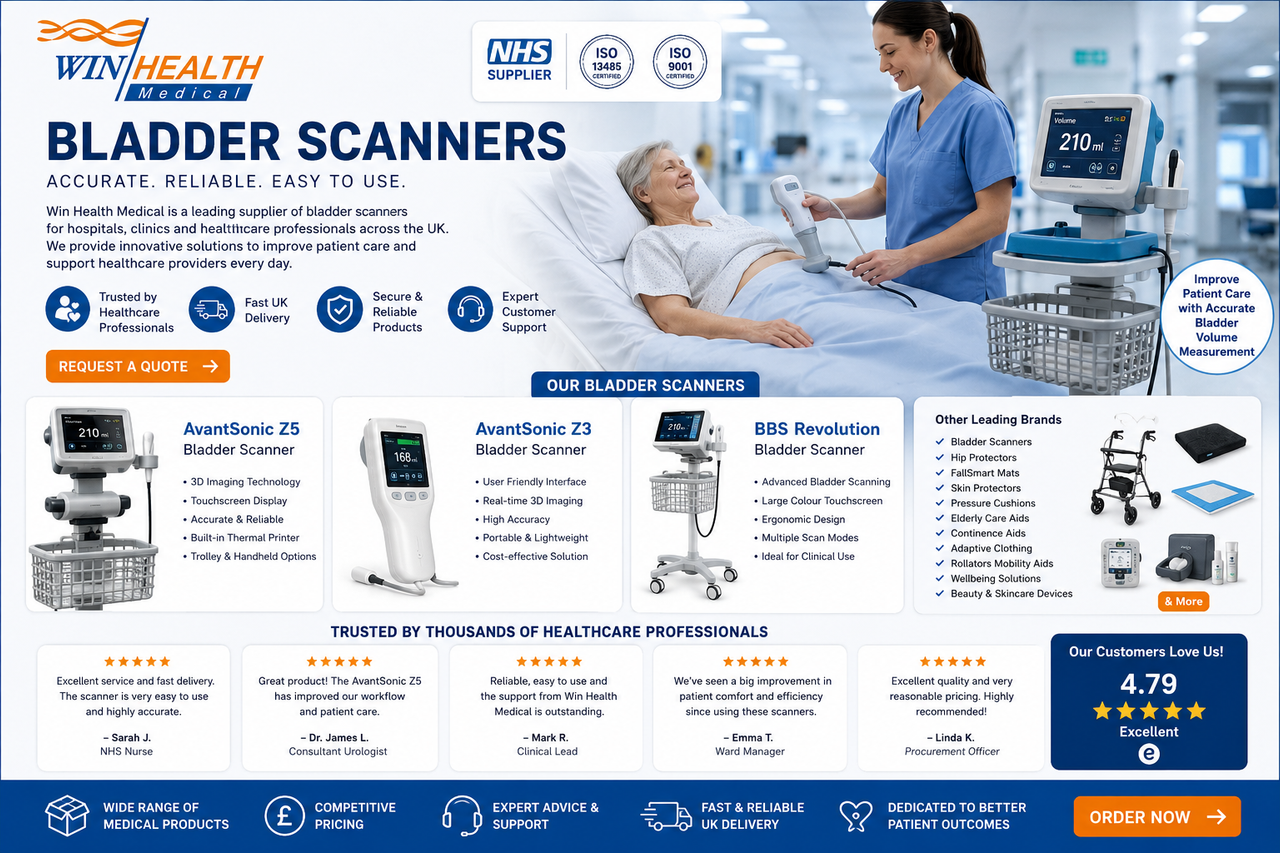
Seamless System Integration: Select devices that provide ample local storage capacity and straightforward data exporting options via wireless or USB channels. This facilitates smooth transfers into the facility's existing Electronic Medical Record setup to maintain reliable digital tracking.
By investing in modern, non-invasive bladder scanning technology, healthcare providers can actively protect patient comfort, prevent unnecessary infections, and make fast, data-driven decisions right at the bedside.